CHARLOTTE & POTTERVILLE, MI • IMPLANTS & RESTORATIVE

Dental Bone Grafting in Michigan: Charlotte and Potterville

If your dentist mentioned a possible dental bone graft before your implant, take a breath first. This is one of the most common steps in implant treatment, not a sign that something went wrong. A bone graft rebuilds bone that has thinned out over time, usually where a tooth has been missing for a while. At Gentle Dental, we use Cone Beam CT imaging to get a clear, detailed look at your jawbone before we recommend anything, and we accept Delta Dental, so you can talk through your options without guessing at cost. Patients in Charlotte and Potterville can have this whole conversation close to home.

Delta Dental accepted · CareCredit financing · Two locations · New patients welcome

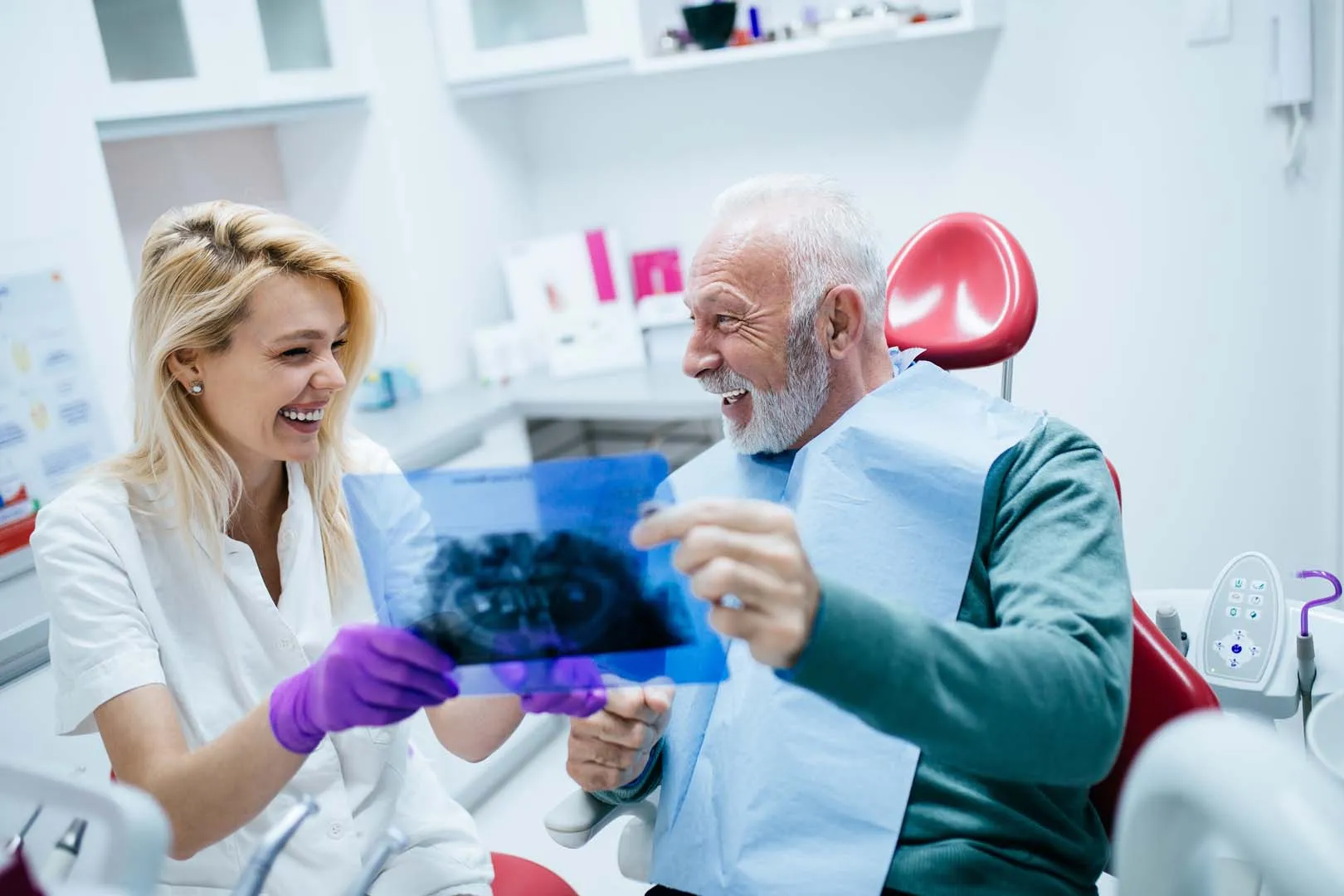
Bone grafting and ridge augmentation at Gentle Dental

BUILD THE BASE

Grafting that makes implants possible

01

What Is a Dental Bone Graft?

A dental bone graft adds bone, or a bone-like material, to an area of the jaw that has lost density. This usually happens after a tooth has been missing for months or years, since the jawbone there can shrink without a tooth root to support it. A graft rebuilds a stable base so a future dental implant has enough bone to anchor into.

What Is Ridge Augmentation?

Ridge augmentation is a type of bone graft that rebuilds the width or height of the jaw ridge, the ridge that once held your tooth roots. It’s often recommended when a tooth has been gone long enough that the ridge has narrowed, which can make implant placement harder without extra bone.

Socket Preservation After Tooth Extraction

Socket preservation is a graft placed right after a tooth is pulled, filling the empty socket before it has a chance to shrink. This is a common step for patients who already know they want an implant down the road, since it can mean less rebuilding work later. If you’re facing an extraction, ask us about this at the same visit; you can also read more on our tooth extractions page.


02

Why Bone Grafting Supports Successful Implants

Implants need enough healthy bone to stay secure for the long run. When bone has thinned, an implant may not have a strong enough foundation to stay stable over time. Bone grafting gives your jaw the structure it needs to rebuild that foundation before the implant goes in. It’s one part of our broader implants and restorative services, which cover everything from single-tooth implants to full-arch solutions.

How We Assess Your Bone Density in Charlotte and Potterville

Before we recommend a graft, we use Cone Beam CT (CBCT) scanning to get a three-dimensional view of your jawbone. This lets our team measure bone density and plan treatment based on real information, not guesswork. Both our Charlotte and Potterville offices have this imaging on site, so you won’t need to travel to Lansing for advanced diagnostics.

03

What to Expect During Your Bone Grafting Procedure

Step-by-Step: Consultation Through Healing

Your visit starts with a consultation and a CBCT scan, so we can see exactly how much bone you have and where. If a graft is recommended, we’ll explain the material we plan to use and walk you through the appointment before you decide anything. The procedure happens in the office, usually with local anesthesia, and most patients describe the discomfort as similar to a tooth extraction.

Recovery, Timeline, and What’s Normal

Some mild swelling and soreness in the first few days is normal, and over-the-counter pain relief is usually enough to manage it. Full healing before an implant can be placed typically takes a few months, since new bone needs time to integrate with your jaw. We’ll give you a realistic timeline at your consultation, whether you’re planning for a single implant or exploring options like All-on-4 implants for a fuller rebuild.

QUESTIONS & ANSWERS

Frequently Asked Questions About Bone Grafting

Am I a candidate for a dental bone graft?

Most patients who have lost bone density from a missing tooth, gum disease, or an old extraction are candidates for a bone graft. The best way to know for sure is a consultation with CBCT imaging, which shows exactly how much bone remains. Many patients who assumed they weren’t eligible for an implant turn out to be good candidates once a graft is planned in first.

How long does bone graft healing take before implant placement?

Healing time varies, but most patients wait around three to six months before an implant is placed. Smaller grafts, like those used for socket preservation, may heal faster. We’ll give you a personalized estimate for your treatment timeline at your consultation.

Is bone grafting painful?

Most patients report discomfort similar to a tooth extraction, which is manageable with local anesthesia during the procedure and over-the-counter pain medication afterward. Some mild swelling is normal for a few days. Significant or worsening pain is not typical, and you should call us if that happens.

Does insurance cover dental bone grafts in Michigan?

Coverage depends on your specific plan and the reason the graft is needed. We accept Delta Dental and can help you understand your benefits before treatment begins. Visit our insurance and financing page for more on coverage and payment options.

Can a bone graft be done at the same time as a tooth extraction?

Yes, this is common and is often called socket preservation. Placing graft material into the socket right after extraction helps protect the bone before it shrinks, which can simplify implant planning later on.

Schedule Your Visit

Ready to Talk About Your Bone Graft Options?

You don't have to figure out implant readiness on your own. Our team in Charlotte and Potterville will walk you through your CBCT results, answer your questions in plain language, and build a plan that fits your timeline and your comfort.